

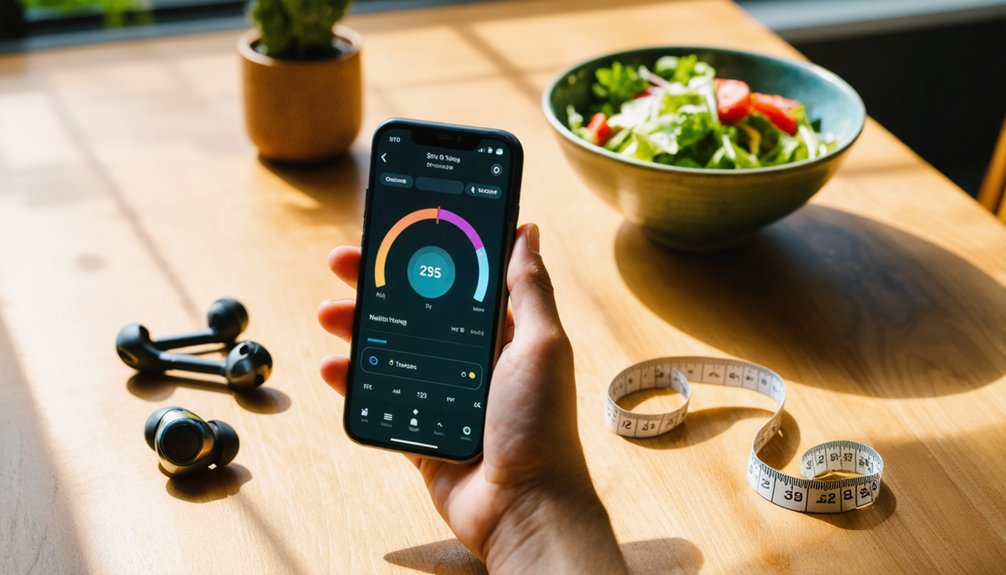
Noom employs evidence-based cognitive behavioral therapy (CBT) and behavior-change techniques to assist users in losing weight by altering their habits instead of following a strict diet plan.
The program integrates daily lessons, food logging, a color-coded food classification system, progress tracking, and access to coaches and peer support groups.
The effectiveness of Noom largely relies on users’ consistent engagement with the app and their accuracy in self-reporting their behaviors and food intake.
However, some drawbacks include the associated costs of the program and the limited availability of medical support.
For individuals interested in measurable behavior change and practical resources for weight management, further exploration of Noom’s features may help determine if it aligns with their personal goals and needs.
What Is the Noom App All About?
The Noom app is designed as a wellness program, distinct from traditional diets, and focuses on promoting sustainable weight loss. It utilizes evidence-based methods that incorporate behavioral psychology, as well as tools for tracking calories and nutrients. Users benefit from personalized coaching and receive daily lessons grounded in cognitive behavioral therapy (CBT) principles.
A wellness-focused program using behavioral psychology, calorie tracking, personalized coaching, and CBT-based daily lessons for sustainable weight loss
The app features a color-coded food system, which helps users make informed choices about their diet. In addition, it provides tools for logging meals and physical activity, making it easier to track progress. Users can access guides and have the option to work with paid one-on-one coaches, which supports the process of habit change.
The Noom app is particularly beneficial for individuals who require structured and scalable support in their weight loss journey. It functions as a comprehensive weight loss tool with an integrated calorie counter for daily logging. Additionally, it offers evidence-based lessons that address various eating behaviors and provides recommendations that resemble personalized meal plans.
The overall presentation of the Noom app is clinical and focused on outcomes, emphasizing the importance of sustainable habit change over quick fixes. This approach aims to educate users on making healthier choices while fostering long-term success in their weight management efforts.
Noom Weight Loss App Explained
The Noom weight-loss app emphasizes sustainable habit change by integrating behavioral psychology with tools for tracking calories and nutrients. It also offers a structured curriculum designed to help users gradually adjust their eating and activity patterns. The app utilizes cognitive behavioral techniques to set and frame goals, which include daily self-monitoring, educational modules, and specific goal-setting strategies. These strategies focus on identifying and addressing the factors that lead to certain eating behaviors.
For professionals who work with clients or patients, the app provides measurable metrics and progress reports, which can enhance accountability in weight management efforts. Research has shown that mobile interventions can support modest weight loss, especially when users engage actively with the app’s features. It is important to note that the Noom app requires consistent logging and participation from users to be effective.
For those seeking detailed information about the Noom app and its functionalities, reviewing existing literature and current clinical trials can offer valuable insights. This background knowledge can be beneficial before making any recommendations regarding the app’s use in weight management.
Key Features of the Noom Diet App
The Noom Diet App offers a comprehensive array of evidence-based tools aimed at supporting users in making lasting behavior changes. Upon opening the app, users can access brief lessons based on cognitive-behavioral therapy (CBT), which focus on promoting healthy habits. Daily goal setting encourages users to identify and track their objectives, while monitoring systems help keep progress visible and measurable.
One of the key features of the app is its meal planner for weight loss, which utilizes a color-coded food system. This system prioritizes nutrient density, allowing users to make informed food choices based on the nutritional quality of their meals. Additionally, the progress tracker records various metrics, including weight, daily steps, meals, and other biometrics. This information is crucial for making adjustments to the user’s plan and receiving clinician-style feedback on progress.
The app also includes a recipe feature that provides adaptable recipes and ingredient swaps, catering to different dietary needs and preferences. This flexibility helps users maintain a balanced diet while accommodating their individual lifestyles.
Community support is another significant aspect of the Noom Diet App. Through this feature, users can connect with peers and guides, fostering a sense of accountability and encouraging shared problem-solving. This social component reinforces the idea that users are not alone in their journey, as they can seek advice and motivation from others facing similar challenges.
Advantages and Drawbacks of Using Noom
Noom is a weight loss app that integrates cognitive behavioral therapy (CBT) principles, daily self-monitoring, and a color-coded food classification system. This combination aims to help users develop sustainable eating and exercise habits while allowing for measurable progress tracking. However, it has some limitations that may affect user outcomes. Notably, Noom relies heavily on self-reporting, which can introduce inaccuracies, and it also involves subscription costs that some may find prohibitive. Additionally, the app provides limited live clinical support, which might be a concern for users with specific medical needs.
User reviews and ratings of the Noom app often highlight its strengths, such as the effective behavior-change content, meal logging capabilities, and accountability features that users appreciate. The pros and cons of Noom often revolve around its accessibility versus the intensity of engagement it requires. While Noom offers scalable and evidence-based tools for weight loss, it demands daily engagement and precise input from users to achieve optimal results.
Clinically, Noom coaches are available to provide motivation and support, but they do not offer medical management. Therefore, individuals who have specific health concerns may need to consider whether Noom aligns with their clinical needs. When recommending Noom to others, it is important to balance the potential for sustained adherence against the ongoing subscription costs involved.
Noom App Pricing and Subscription Options
When evaluating Noom’s behavioral and tracking features, it’s crucial to consider the program’s pricing and subscription options, as these can significantly influence long-term engagement and accessibility for users. Noom offers various subscription plans, which typically include multi-month upfront payments that reduce the monthly cost compared to month-to-month billing. This pricing structure can encourage users to commit for a longer duration, potentially leading to better outcomes.
However, the transparency regarding the cost of the Noom app can differ across various reviews, leading to some confusion among users. Notably, some individuals have reported frustrations related to upfront billing, which may not align with the flexibility that was initially promised. In addition, a number of reviews highlight concerns about the difficulty of canceling subscriptions, indicating that users may face challenges when they decide to stop the service.
On a positive note, many users express confidence in the effectiveness of the Noom weight loss app, often citing favorable outcomes from their experiences. The program also provides access to coaching, which can serve as a motivational factor for users aiming to achieve specific health and wellness goals.
It is advisable for potential users to assess their financial situation and consider utilizing the available free trial to explore the Noom app’s interface before committing to any extended plans. This approach allows individuals to make informed decisions regarding their subscription choices.
Cancelling Noom App Subscription – Step by Step
If you decide to stop using the Noom app, it is important to cancel your subscription in a timely manner. Doing so ensures that you will not be charged for the next billing cycle and allows you to keep any remaining trial period or access until the end of your current paid term. To cancel your subscription, you can follow these steps: first, open the Noom app on your device. Then, navigate to the Settings section, select Subscription, and choose the option to Cancel. If you initially subscribed through either Apple or Google, you will need to cancel your subscription directly through their respective subscription management systems.
This information is consistent with the Noom weight loss app review, which highlights the importance of transparency and user autonomy in managing subscriptions. Should you require assistance during the cancellation process, you can reach out to customer service for support. It is advisable to keep a confirmation of your cancellation for your records.
If you have been tracking your dietary intake using the app, consider exporting your macro tracker data prior to cancelling your subscription. This practice helps maintain your records and enables you to continue supporting others by sharing accurate information and insights gained during your use of the app. Clear documentation of your experiences can be beneficial for future reference.
Noom App Reviews and User Ratings
When examining user reviews and ratings for the Noom app, a diverse yet informative overview can be observed. Many users report successful outcomes, including measurable weight loss, enhanced portion control, and the benefit of engaging daily lessons. However, several users raise common concerns related to billing practices, limited access to live coaching without opting for higher-tier subscriptions, and occasional challenges in reaching customer support.
Notable patterns emerge from the feedback: users who consistently log their meals and complete lessons tend to report positive results. Conversely, negative comments often center around issues with subscription clarity and difficulties accessing services.
Consistent meal logging and lesson completion often yield positive results; complaints commonly focus on confusing subscriptions and access issues.
When evaluating the reliability of these reviews, it is important to consider various factors such as aggregated ratings, the size of the sample group, and trends in recent feedback.
Specific sentiments expressed by users include:
- A sense of relief when observing steady progress documented alongside peers.
- Frustration arising from unexpected charges or automatic renewals.
- Gratitude for the practical, evidence-based lessons provided within the app.
- Disappointment related to the limited options for direct coaching.
- Motivation to support others who are pursuing sustainable lifestyle changes.
These insights can help potential users make informed decisions regarding their use of the Noom app.

Community and Coaching Support in Noom
Noom focuses on individualized behavior change, but it also integrates community and coaching features that are essential for providing support and accountability. Each participant is paired with a dedicated coach who assists with goal-setting and conducts weekly check-ins. Additionally, users are part of a peer group that facilitates shared problem-solving. Research on digital interventions indicates that regular communication enhances adherence to programs; Noom’s approach reflects these findings, although it may differ based on the training and responsiveness of each coach.
For individuals who support others, the structured feedback and group empathy found within Noom can foster lasting behavior change. The program offers practical prompts informed by cognitive-behavioral therapy (CBT) principles, rather than traditional clinical therapy. Below is a concise overview of the support elements available in Noom, designed to help individuals assess their compatibility with the program.
| Feature | Purpose |
|---|---|
| Personal coach | Provides individualized accountability |
| Group chat | Offers peer support |
| Daily lessons | Facilitates skill-building |
| Check-ins | Monitors progress |
| Resource library | Delivers evidence-based education |
These features work together to create a comprehensive support system that encourages users to engage actively with their health and wellness goals.
How to Use the Noom App for Best Results
To achieve optimal results with the Noom app, users should adhere to a structured, evidence-based approach. This includes consistently logging meals, completing daily lessons informed by cognitive behavioral therapy (CBT), and utilizing the color-coded food system to inform dietary choices. Additionally, tracking physical activity and various health metrics is essential. Users should also respond to messages from their assigned coaches and review weekly progress summaries to objectively evaluate their behaviors and make necessary adjustments.
Follow a structured, evidence-based routine: log meals, complete CBT lessons, use the color system, track activity, and review progress.
It is important to prioritize the development of sustainable habits instead of seeking quick fixes. Individuals are encouraged to document the triggers that lead to emotional eating, which can help identify and address recurring patterns in their behavior.
Key strategies for success include:
- Acknowledging and feeling empowered by small, measurable achievements.
- Practicing compassion towards the journeys of others, recognizing that each person’s experience is unique.
- Seeking motivation through clear, clinical feedback that provides insight into progress.
- Sharing insights and experiences with peers to foster a supportive community.
- Celebrating consistency in efforts rather than striving for perfection.
Who Benefits Most from the Noom App?
The Noom app is particularly beneficial for individuals who are motivated to track their eating behaviors and engage in cognitive behavioral therapy (CBT) techniques related to food choices. Users who log their meals consistently, participate in brief lessons, and reflect on their emotional triggers for eating will likely experience the most advantages from the program. Research supports that self-monitoring and the application of CBT strategies can lead to improved weight outcomes when individuals maintain high adherence to the program.
Noom is also an effective resource for caregivers, health educators, and clinicians. These professionals can use the app as a scalable tool to recommend to their clients, as it provides valuable data and educational resources that can enhance behavior-change coaching. However, it is important to recognize the limitations of the app. Individuals with complex eating disorders, unmanaged psychiatric conditions, or those requiring intensive medical oversight may need specialized care that goes beyond what the app can provide.
Noom App FAQ – Your Top Questions Answered
Is the Noom app free?
You can download Noom for free, but the core program (lessons + coaching) requires a paid subscription; a full free tier is no longer offered.
How much does the Noom app cost?
Pricing varies by plan length. Examples: about US $70 per month for the shortest plan; longer durations bring the cost down (e.g., ~US $42/month for a 4-month plan billed upfront).
Is Noom app legit or a scam?
Noom is a legitimate weight-loss coaching and tracking app, but it has faced complaints about billing transparency and difficult cancellations, so users should read terms carefully.
Can I use Noom app without a coach?
The standard program includes coaching and lessons; while you can log food and use some tracking features, the full “without a coach” experience is limited and still subject to subscription.
Comparing Noom with Other Weight Loss Apps
Noom stands out in the weight loss app market due to its focus on cognitive behavioral therapy (CBT)-based behavior change. This approach includes daily lessons and a color-coded food system designed to help users develop long-term healthy habits. In contrast, many other weight-loss apps concentrate primarily on calorie tracking, meal planning, or guided workout routines.
Noom emphasizes CBT-based behavior change with daily lessons and a color-coded food system, not just calorie counting.
The strength of Noom lies in its psychological framework and coaching model, which offers a structured way for users to address their eating behaviors. On the other hand, competing apps often provide features that allow for more customizable macro tracking, integrated fitness programs, and community-driven support. Therefore, the choice between Noom and its competitors largely depends on individual needs.
If a user requires support similar to behavioral therapy, Noom may be the better option. Alternatively, those who prefer detailed nutritional and fitness tools may find other apps more suitable. When advising clients on which app to choose, it is important to compare the outcomes associated with each option. Research indicates that Noom effectively promotes behavior change through CBT principles, while other apps demonstrate success based on adherence to specific calorie intake or physical activity targets.
Ultimately, selecting the right app should align with a client’s personal needs, their existing technology ecosystem, and their preference for either a coaching approach or self-directed metrics. By matching the app choice to these factors, users can enhance their chances of achieving their weight loss goals.
Final Verdict – Is Noom App Worth Trying?
Is the Noom app worth trying? It offers a structured and evidence-based approach to help individuals develop sustainable habits, although it may not be suitable for everyone. Research indicates that behavior-change frameworks, such as cognitive-behavioral therapy (CBT), have been effective in promoting weight loss and improving dietary habits. Noom applies these principles by providing lessons, tracking tools, and coaching support to users.
When considering Noom, several factors may influence its effectiveness and suitability for different individuals:
- Confidence: The app provides practical skills that users can apply in their own lives or share with others, enhancing their ability to support friends or clients in their health journeys.
- Caution: The cost of the subscription and the variability in the level of support received may limit access for some potential users, making it important to evaluate whether the investment is justified based on individual circumstances.
- Hope: Daily lessons and activities encourage users to make small, manageable changes to their behaviors, which can lead to lasting improvements over time.
- Responsibility: Health professionals should be mindful of recognizing when a user may need additional clinical support, as the app is not a substitute for professional medical advice or treatment.
- Gratitude: Many users have reported enhanced self-awareness and a sense of empowerment as a result of engaging with the content and resources provided by Noom.
For those who assist others in health and wellness, it is crucial to weigh the evidence supporting Noom, consider the associated costs, and assess the unique needs of individuals before making a recommendation.